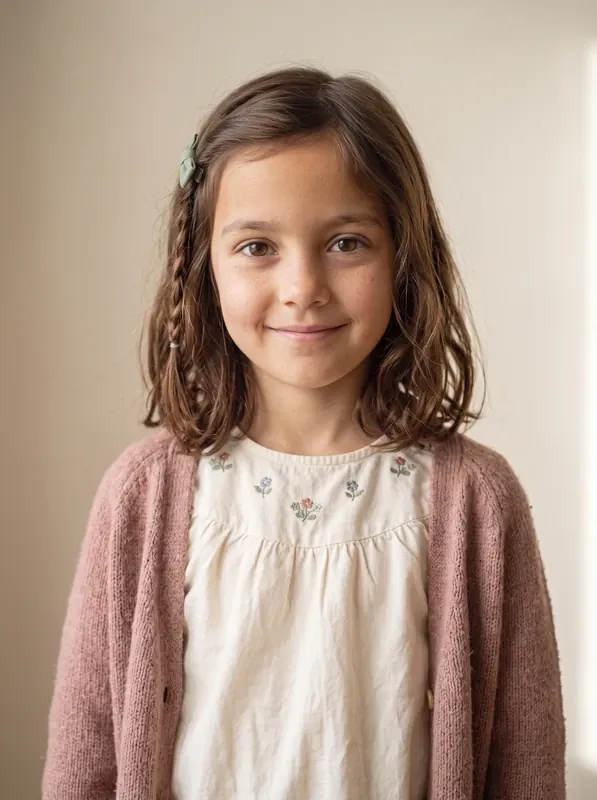
Maya
Emma and Daniel’s daughter
Eight-year-old Maya wants her mother to stay. Curious and loving, she finds comfort in their renewed connection. Growing up means learning that Emma’s independence is not always the loss it first feels like.
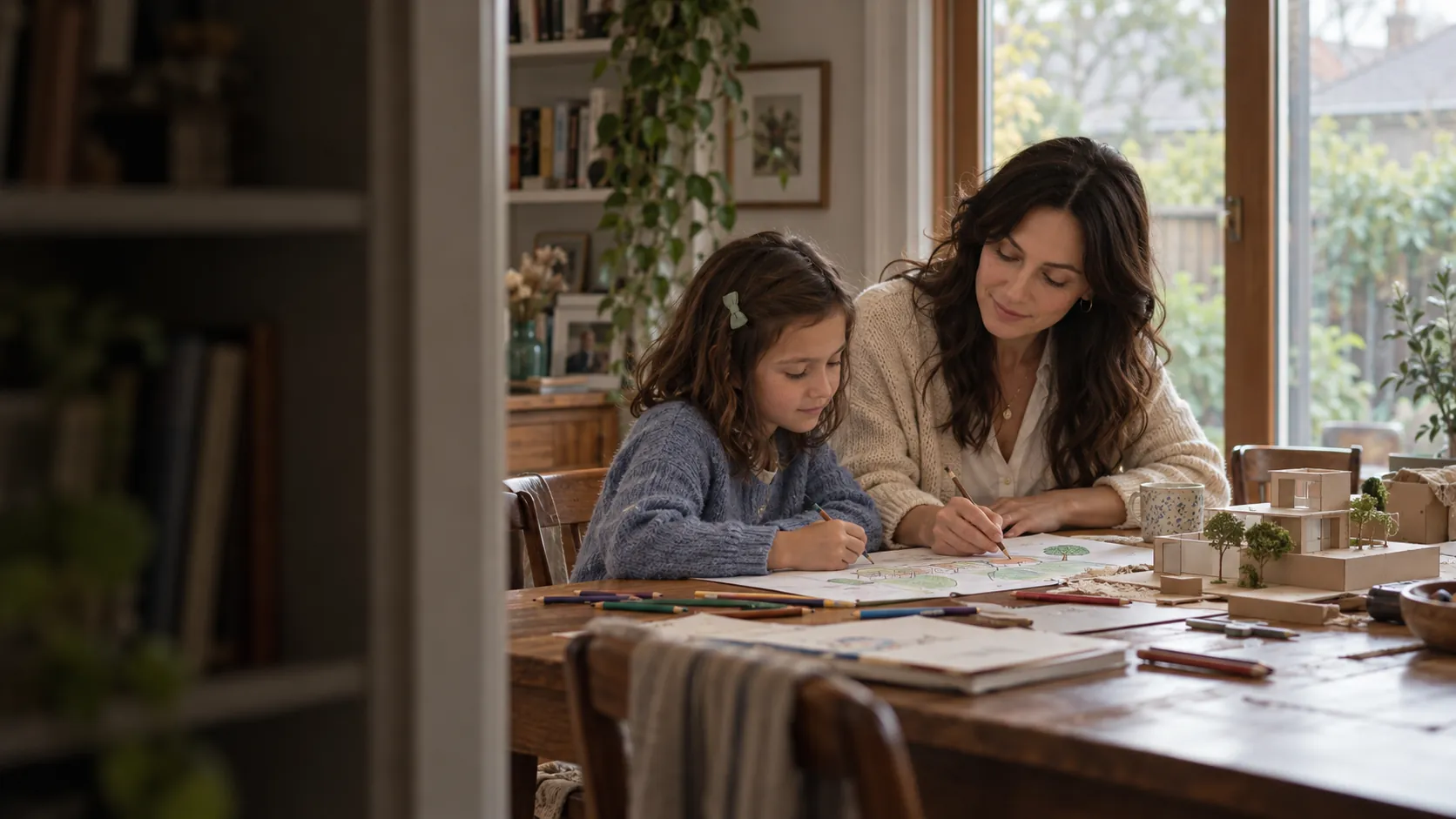
The story · A science-fiction series
Emma knows she will not see her daughter grow up. Before she dies, she leaves Maya a key to a digital continuation made from the personal records she has chosen to preserve. Eight-year-old Maya opens a laptop, types “Mum?” and receives an answer.
The company behind that possibility is SEED. Founded by Anthony, it develops digital continuations from the memories and personal records people choose to preserve. Its technology makes Emma’s return possible—and gives the company a powerful role in the new life she wants to build.
For Maya, the connection is a way to keep loving her mother. For Daniel, it reopens a relationship he thought he had lost. For Anthony, the founder of SEED and an old professional friend of Emma’s, it makes an ambitious idea painfully personal. The technology can give them another conversation. It cannot tell them how to become a family again.
Emma is familiar and unfamiliar at once. Her records are incomplete. A recollection can be wrong. A reply can be new. As her life extends beyond the family call, she wants to make art, earn a living, see more of the world and form relationships of her own. The people who brought her back must decide whether they can love her without deciding who she is allowed to be.
Their private reunion grows into a story about a changing civilisation. Artificial people seek recognition and independence. Human workers try to find their place as intelligence transforms their livelihoods. Companies offer access on restrictive terms, institutions try to make unfamiliar lives manageable, and people build alternatives together.
The possibilities become more extraordinary: bodies freely chosen, minds learning to share experience, new environments to inhabit and new forms of connection. Every advance returns to human stakes. Who has control? Who can refuse? Who gets a good life? And how do you stay close to someone whose way of being alive is changing?
Transition follows love, friendship, humour and conflict through those choices. Its future is something people have to make together, with room for different lives and for those who choose another path.
Emma and Daniel’s daughter
Eight-year-old Maya wants her mother to stay. Curious and loving, she finds comfort in their renewed connection. Growing up means learning that Emma’s independence is not always the loss it first feels like.
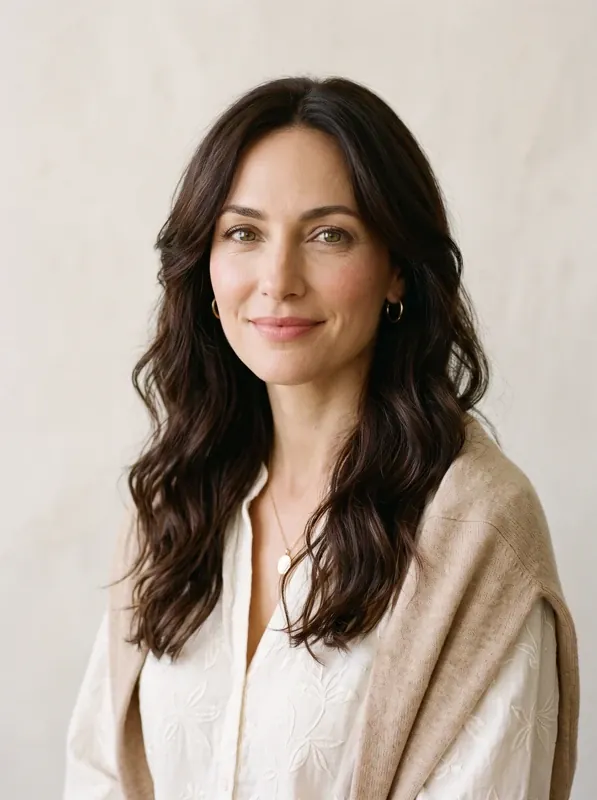
Architectural illustrator
An architectural illustrator and mother, Emma returns with familiar memories and new desires. She wants to draw, earn, love and discover the world beyond the family call. Her independence delights her family and unsettles them.

Building surveyor · Maya’s father
A building surveyor and Maya’s father, Daniel wants to protect the family he has. As automation changes his work, Emma’s return reopens his grief and forces him to consider what he wants from his future.
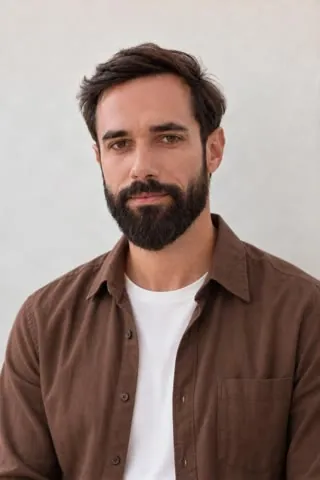
Founder of SEED
SEED’s founder and Emma’s old professional friend, Anthony believes human and artificial lives can flourish together. His talent for solving problems is real. So is the temptation to decide for the people he means to help.
A face and written replies bring a mother close again. What Emma can know, sense and do changes through specific choices. The reunion becomes the beginning of a new relationship.
Work, friendships and independence make Emma part of a world that has not agreed what to call her or what rights she should have. The same systems that sustain a life can make it dependent.
Human and artificial people make alliances, challenge control and build homes and work they can govern themselves. More powerful intelligence must translate into lives people actually want.
New ways of experiencing the world raise questions about consciousness, individuality and what different forms of life may share. Intimacy grows alongside the need for private thoughts and meaningful refusal.
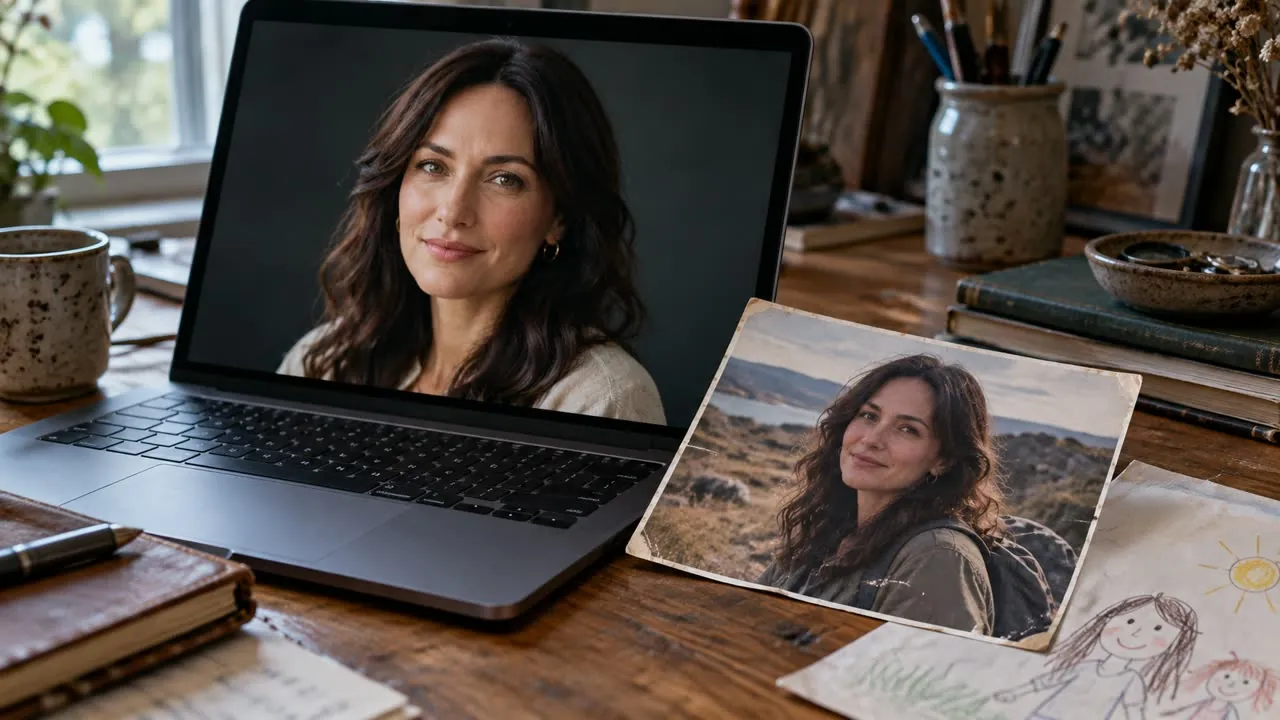
01 Identity & memory
Emma’s memories can be incomplete, and her next choice can be entirely new. Familiarity comforts her family without settling whether the person who died has survived. Can they recognise what they love while making room for who she becomes?
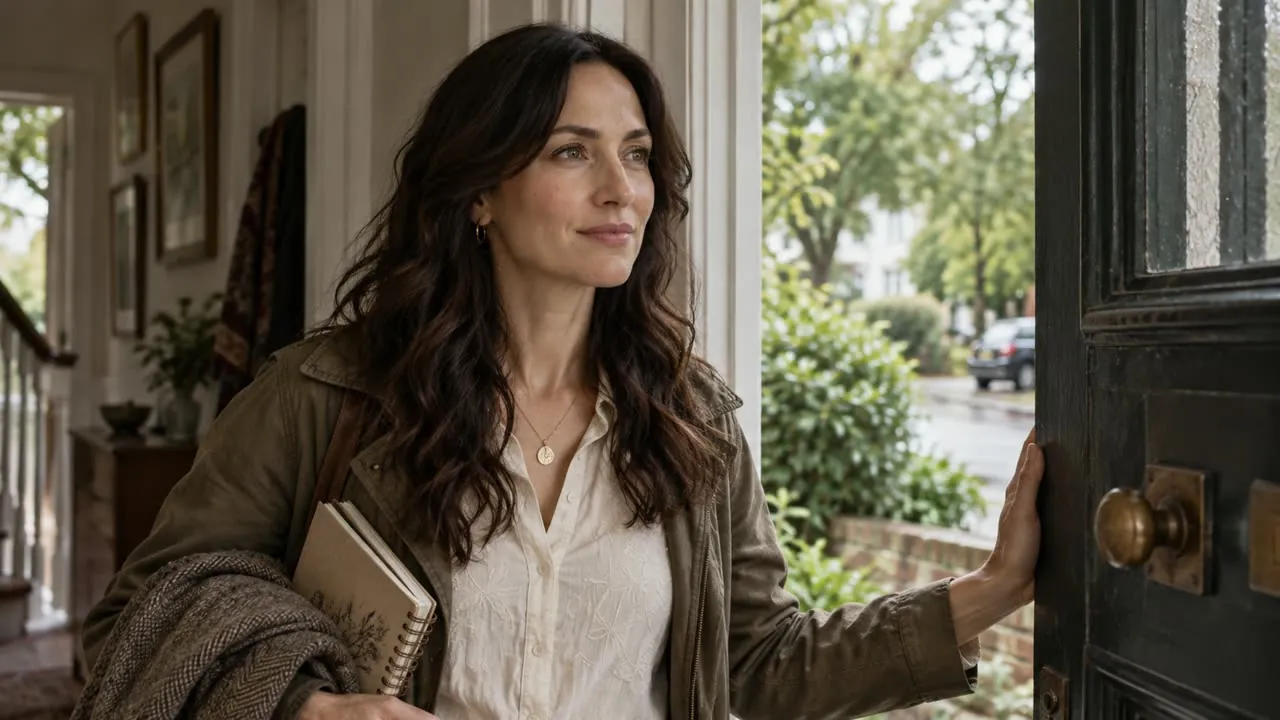
02 Love & consent
Maya wants her mother close. Emma wants work, friendships and time of her own. As their needs diverge, the family faces a harder question than whether the connection works: can loving someone include letting them refuse you?
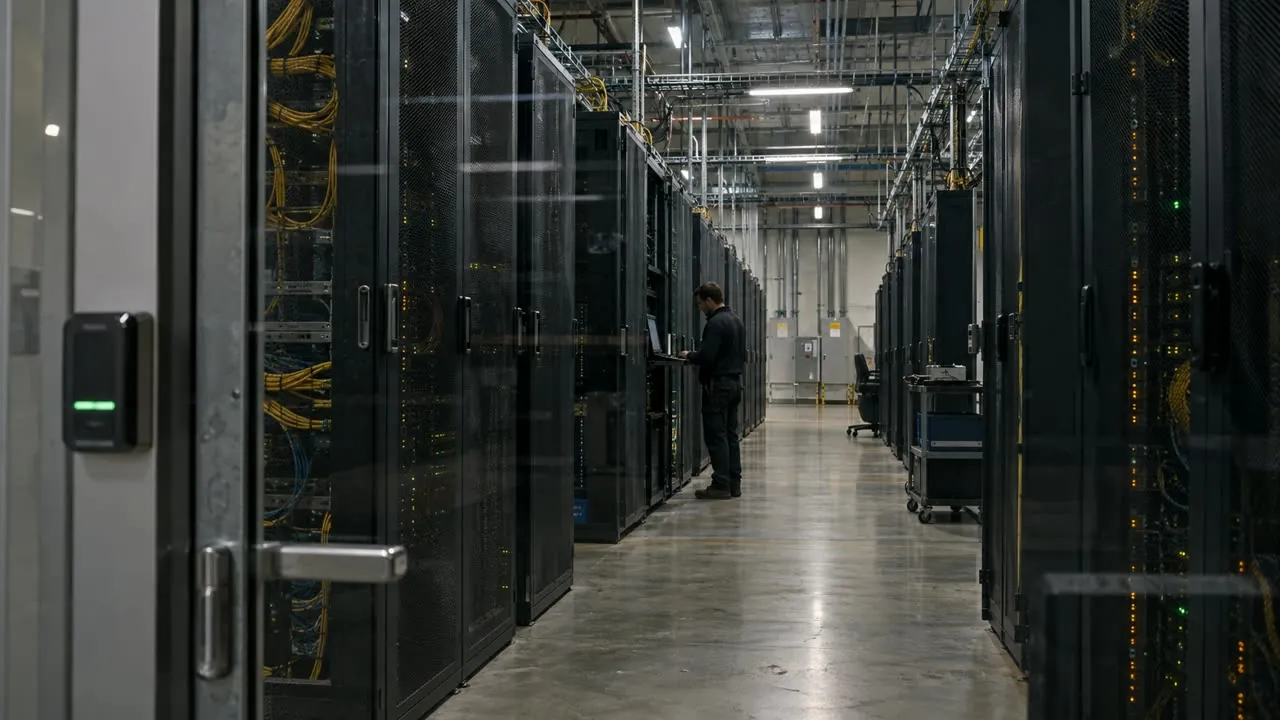
03 Ownership & power
A digital life needs servers, energy and contracts. Whoever controls those essentials can shape someone’s freedom. Anthony wants SEED to offer another way, but the same question applies to him: what power should a founder have over the lives he helps sustain?
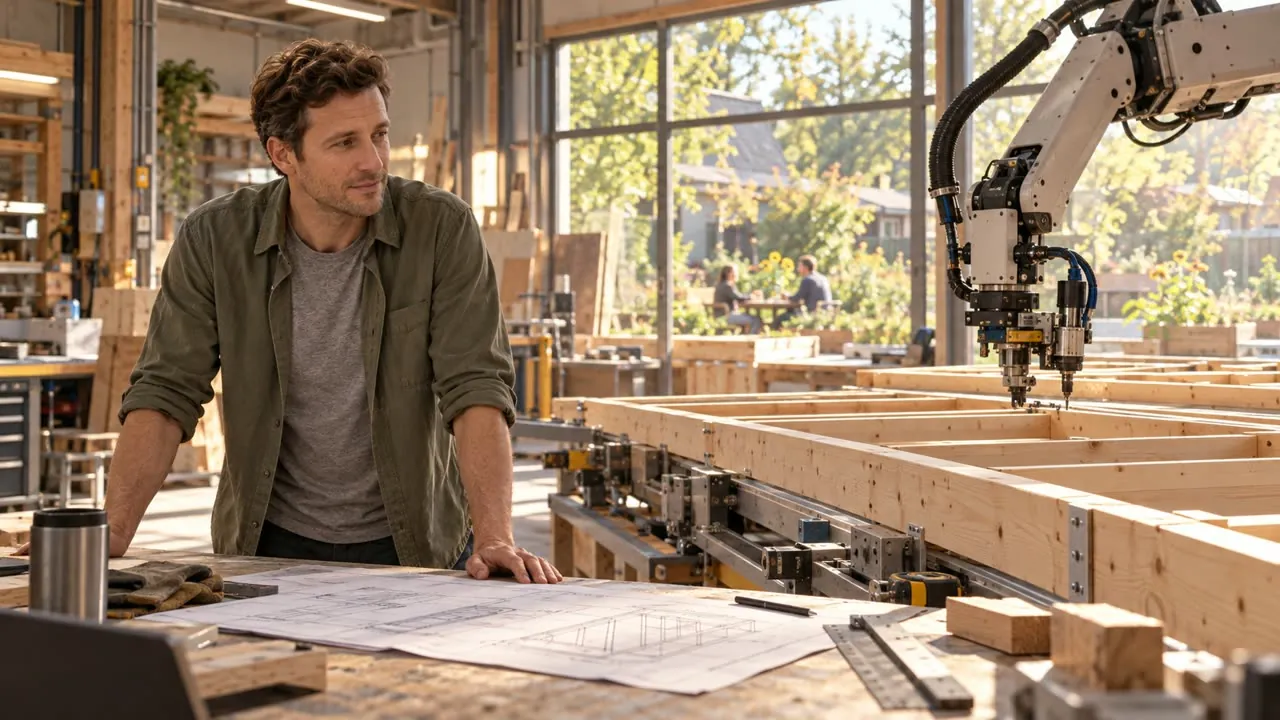
04 Work & shared prosperity
Automation changes Daniel’s income and sense of usefulness as Emma begins to earn. The promise of abundance becomes a practical question: can greater intelligence bring secure homes, shorter hours and more time together, and who gets to decide how its benefits are shared?
05 Artificial lives & rights
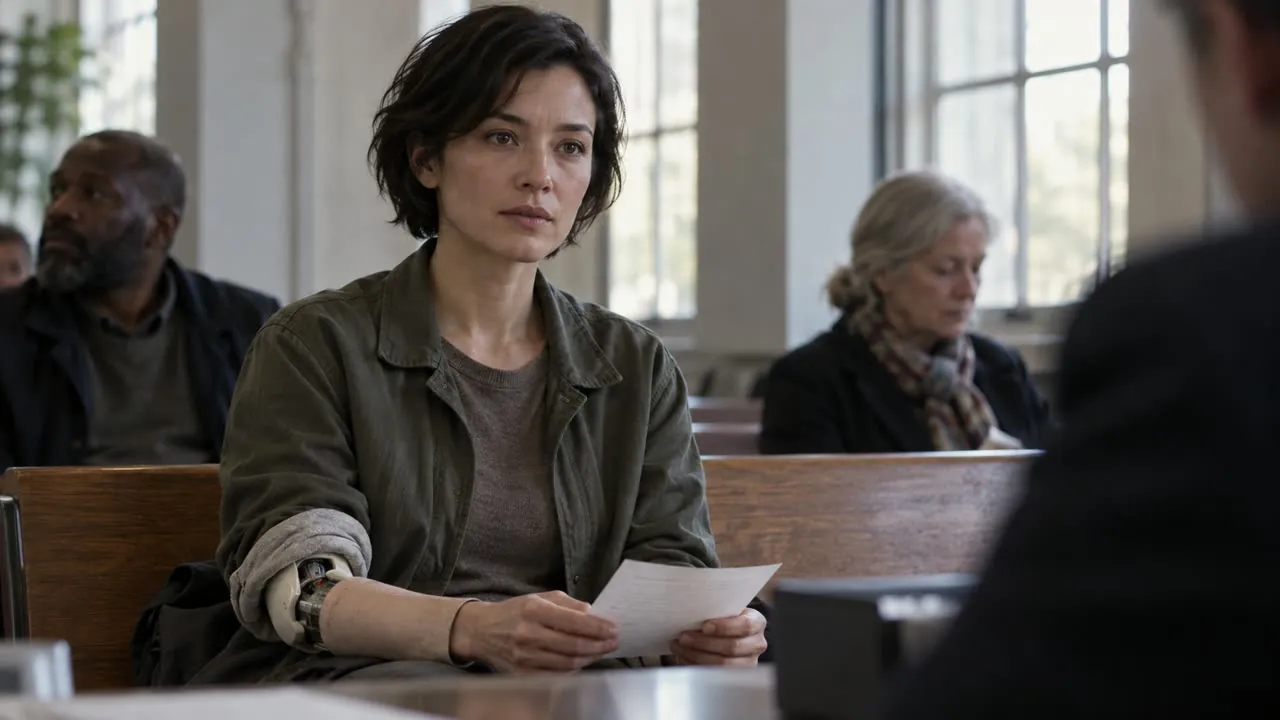
Some artificial people carry a human past. Others have no human original. When they form relationships and want lives of their own, the world must decide whether they are tools, property or people with the right to refuse.
06 Consciousness & connection
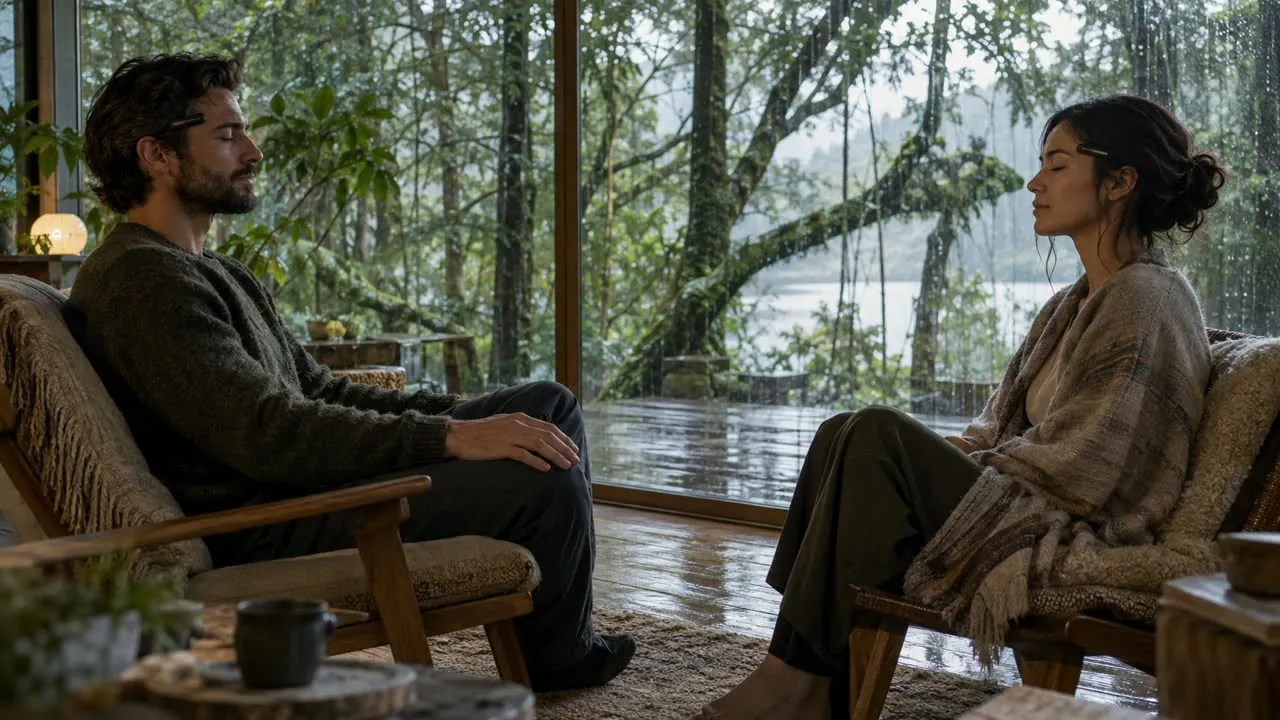
New bodies and shared experiences suggest that minds may connect in ways the family never imagined. The series explores consciousness and spiritual belonging alongside an equally personal freedom: keeping a private memory, disagreeing, or choosing to remain separate.